Coconut Wax vs Soy Wax: Which Is Better for Candles?
Coconut wax throws scent better. Soy wax costs less and handles Dubai heat without softening. If you have to pick one, coconut wax makes a better candle — but I tell almost everyone to use a coconut-soy blend instead. I've sold both waxes out of my Dubai workshop for years, and I switched my own candle line from pure soy to a 70/30 coconut-soy blend in 2021 after testing dozens of batches side by side. The difference in scent performance wasn't small. It was obvious enough that my wife noticed from the next room.
Burn Quality: How Each Wax Actually Performs
Coconut Wax Burns
Coconut wax melts at around 40-45 degrees Celsius, which is low. That low melt point means the wax liquefies fast and you get a full melt pool edge to edge within the first burn. Full melt pool equals no tunneling, no wasted wax clinging to the sides.
The flame stays steady and moderate. Soot is minimal if you sized your wick right. And the natural color of coconut wax is this creamy off-white that looks genuinely luxurious in clear glass — several boutique hotel clients I supply in Dubai specifically chose coconut wax for that appearance alone.
Soy Wax Burns
Soy wax has a higher melt point, around 46-52 degrees Celsius. It takes longer to form that full melt pool, which means wick selection is even more critical. Pick a wick that's too small and your soy candle will tunnel from day one. I see this mistake constantly from makers who are just starting out.
The Frosting Problem
Soy wax frosts. Every soy candle maker knows this. You get white crystalline patches on the surface and along the glass. It doesn't affect how the candle burns or smells, but it looks rough in a retail setting. I had a customer return a whole order once because she thought the candles had gone bad. They hadn't — that was just soy being soy.
Which Burns Better
Coconut wax. It's not close on this one. Fuller melt pools, faster pooling, cleaner appearance. A well-made soy candle still burns perfectly fine, but if burn quality is your deciding factor, coconut wins.
Scent Throw: Where Coconut Wax Pulls Away
This is the reason I switched. I was making soy candles that looked great but didn't fill a room the way I wanted, especially with the heavier fragrance profiles my GCC customers prefer — oud, amber, sandalwood, rose.
Why Coconut Wax Releases More Scent
The molecular structure of coconut wax is softer. Fragrance molecules sit less tightly inside it, so they release more easily both when the candle is cold (cold throw) and when burning (hot throw).
I ran my own test in early 2021. Same fragrance oil, same 8% load, same jar, same wick. Coconut wax candle versus soy wax candle, both cured for two weeks. I lit them in my workshop, one at a time. The coconut wax candle had the room scented within 20 minutes. The soy candle took closer to 45 minutes and the scent never hit the same intensity.
Soy Wax Scent Limitations
Soy holds fragrance during curing but doesn't release it efficiently when burning. A lot of soy candle makers try to fix this by pushing the fragrance load up to 10-12%. That causes new problems — the wax sweats oil, the wick clogs, and you start creating a fire safety issue.
What GCC Customers Actually Want
People in this region want their candles to fill a room. That's the expectation. A candle that smells nice when you hold it to your nose but disappears once you set it on a table doesn't sell well here. If scent throw matters to your customers — and it will — coconut wax or a coconut-heavy blend is the move.
Sustainability: Neither Is Perfect
Coconut Wax Sourcing
Coconut wax comes from coconut oil. The palms produce for 60-80 years and require relatively low agricultural input compared to most crops. The wax is biodegradable, non-toxic, and avoids the deforestation problems linked to palm oil.
But there's a catch. Not every product labeled "coconut wax" is pure coconut. Some manufacturers blend in palm oil or paraffin to cut costs, and they don't always tell you. I've seen waxes marketed as pure coconut that contained 30% palm derivatives. The only way to verify what you're actually buying is a Certificate of Analysis — I wrote a detailed piece on why COA documentation matters if you want the full picture.
Soy Wax Sourcing
Soy wax is made from soybean oil. Soybeans are renewable, but large-scale farming drives deforestation in South America and relies heavily on pesticides. Organic soy wax exists but costs significantly more.
Same purity problem here — some "soy wax" products include petroleum-based additives to improve hardness and scent throw. Without documentation, you're guessing. The RSPO sets sustainability standards for palm oil that some wax suppliers reference, but there's no equivalent industry-wide certification body specifically for candle wax purity, which is why third-party COAs matter even more.
The Honest Answer
Neither wax is perfectly green at scale. Coconut wax has a smaller footprint overall, but the most responsible thing you can do is buy from suppliers who document their supply chain and can prove what's in the wax.
Cost Breakdown for the Dubai Market
Price Per Kilogram (UAE Market)
- Pure coconut wax: AED 55-80/kg
- Soy wax (Golden 464 type): AED 35-55/kg
- Coconut-soy blend (pre-mixed): AED 45-65/kg
- Paraffin (for reference): AED 15-25/kg
What That Means Per Candle
A 250ml candle uses about 200g of wax. So your raw wax cost per candle:
- Coconut wax: AED 11-16
- Soy wax: AED 7-11
- Coconut-soy blend: AED 9-13
That's a AED 3-5 difference per candle. If you're selling a candle for AED 85-150 — which is normal for the Dubai premium market — that cost gap is irrelevant. The better scent throw and burn from coconut wax will earn you more repeat customers than the AED 4 you save using soy.
If you're just starting out and want to keep costs down while learning, soy is fine. I started with soy myself. But once you're selling, the economics favor coconut or a blend. I break down the full business side in my guide to starting a candle business in Dubai.
Certification Matters More Than Wax Type
I tell this to every maker who walks into my workshop agonizing over coconut versus soy: it doesn't matter which wax you choose if you don't know what's actually in it.
What a COA Tells You
A Certificate of Analysis shows the exact composition, melt point, flash point, and purity of your wax. Without one, you're trusting a label. I've tested waxes from suppliers who claimed "100% soy" that came back with paraffin in the blend. I've seen "coconut wax" that was mostly palm.
Why I Provide COAs With Every Batch
I'm the only wax supplier in the GCC region who provides a Certificate of Analysis with every batch. That's not a sales pitch — it's a fact you can verify. When someone buys wax from Candle Man Dubai, they get documentation proving what they paid for. If you're putting your brand name on a candle and selling it, you need to know what's inside it. Your customers trust you. A COA is how you back up that trust.
My Bottom Line After Years With Both Waxes
Starting out? Use soy wax. It costs less, forgives mistakes, and teaches you the basics without burning through your budget. I made soy candles for my first two years and learned everything I needed to.
Building a premium brand? Switch to coconut wax or a coconut-dominant blend. The scent throw alone justifies it. Your customers will notice, even if they can't articulate why your candle is better than the one they bought at the mall.
Selling in Dubai and shipping in Gulf heat? Use a 60/40 or 70/30 coconut-to-soy blend. The soy content gives structural stability so candles survive 45-degree summers in a delivery van. The coconut content keeps the performance where it needs to be.
I switched to a blend and never looked back. Most of the serious candle makers I supply have done the same.
FAQ
These cover the questions I get asked most often at my workshop and by the candle makers I supply across the GCC. If you have something I haven't addressed, get in touch — I talk about wax more than most people talk about anything.
Recommended resource from RSPO
Roundtable on Sustainable Palm Oil (RSPO) Standards→Frequently Asked Questions
Can I mix coconut wax and soy wax together?
Yes, and many professional candle makers do exactly this. A 60/40 or 70/30 coconut-to-soy blend gives you the superior scent throw of coconut wax with the structural stability of soy. Pre-made blends are also available, which saves you the trial and error of creating your own ratio.
Which wax has the best scent throw?
Coconut wax consistently outperforms soy wax in both cold throw (scent when unlit) and hot throw (scent when burning). This is because coconut wax has a lower melt point and softer structure, allowing fragrance molecules to release more readily into the air.
Is coconut wax more expensive than soy wax?
Yes, coconut wax typically costs 30-50% more than soy wax. In the UAE market, expect to pay approximately AED 55-80 per kilogram for quality coconut wax versus AED 35-55 for soy wax. However, the superior performance often justifies the price for premium candle brands.
Which wax is better for the Dubai climate?
Coconut wax has a lower melt point (around 40-45 degrees Celsius), which means it can soften in extreme heat. Soy wax handles heat slightly better. For candles that may be exposed to warm environments during shipping or display, a coconut-soy blend or pure soy is more practical in the Gulf region.
Do I need certified wax to sell candles commercially?
While not legally required in most GCC countries, using certified wax with a Certificate of Analysis (COA) protects your business. It proves your product composition, ensures consistent quality, and gives your customers confidence. Major retailers and hotels increasingly require COA documentation from candle suppliers.
About the Author
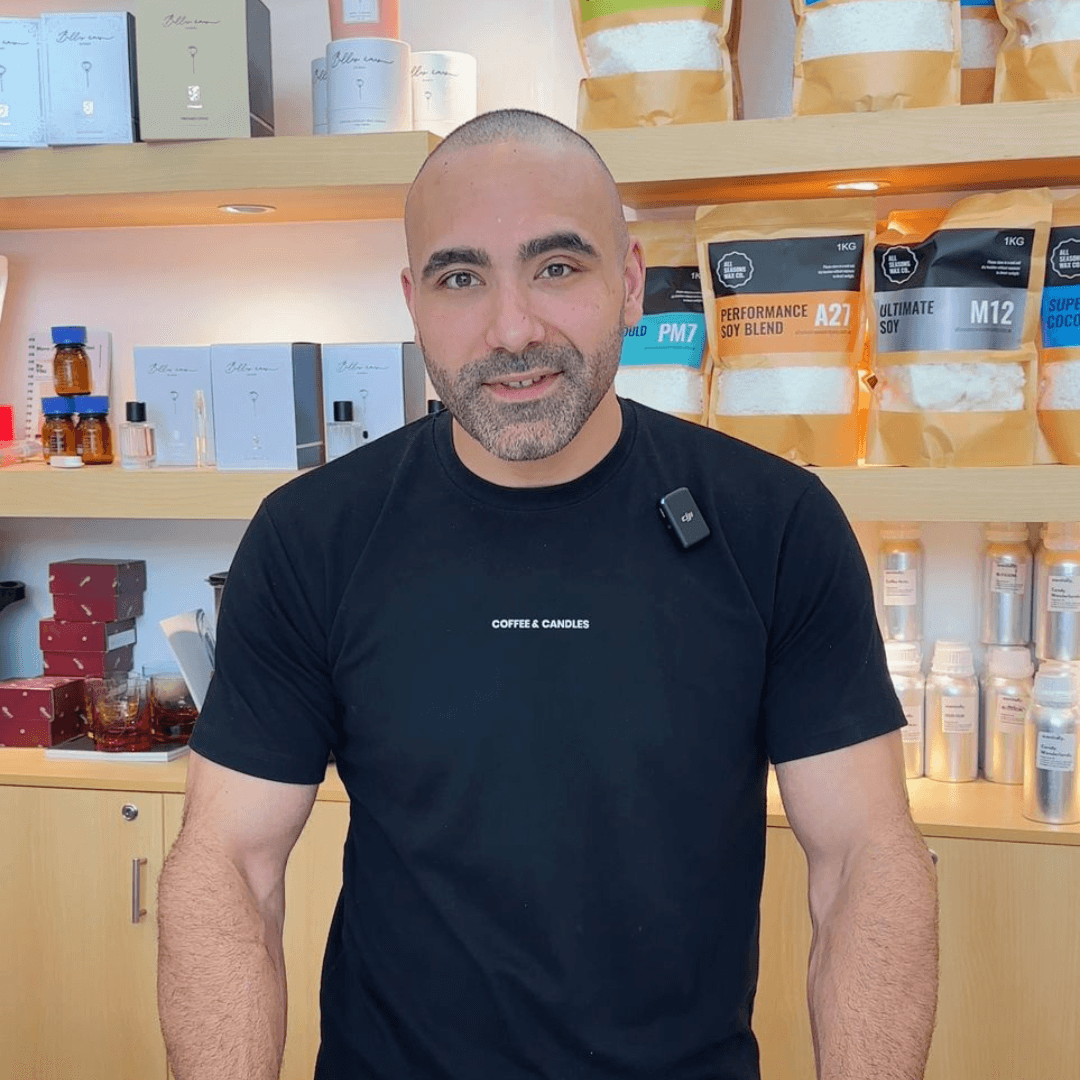
Ahmed Al Hassoni
Perfumer trained in Grasse, France. I founded CandleStart — the GCC's largest candle and perfume-making supply hub — and have trained hundreds of makers across the region. I also build tools for the fragrance industry through Olfactal and WaxHippo.
Related Articles

What Is a Candle Wax COA (Certificate of Analysis) and Why It Matters
A Certificate of Analysis (COA) verifies your candle wax composition and purity. Learn what to look for in a COA and why certified wax matters in the GCC.

How to Make Candles at Home: A Complete Beginner's Guide
Learn how to make candles at home step by step. From choosing wax and wicks to pouring and curing, this Dubai-based guide covers everything beginners need.