Candles Around the World: How 10 Countries Approach the Same Craft
Key Takeaways
10 Countries
France, USA, Japan, Scandinavia, UAE, UK, India, Korea, Mexico, and Turkey — each with a distinct candle identity.
6 Wax Types
Soy, coconut, paraffin, beeswax, rapeseed, and sumac — different regions, different materials, different reasons.
Same Craft
No ranking. Just an appreciation for how one craft expresses itself differently across cultures.
I grew up around candles. Not the scented container candles that dominate Instagram today, but the simple ones — lit during gatherings, placed around the house during Ramadan, burning on tables at family dinners. It was years before I realized that every culture I encountered had its own version of this ritual.
When I started training as a perfumer and building CandleStart, I began paying closer attention. A candle in Paris and a candle in Kyoto are not the same object. The wax is different. The wick is different. The vessel, the scent philosophy, the reason someone lights it — all of it shifts depending on where you are.
This is not a ranking. There is no "best" candle culture. This is a tour of how ten countries approach the same craft, and what candle makers everywhere can learn from each of them.
France: Where Luxury Candle Culture Was Born
The French did not invent candles, but they invented the luxury candle market. Cire Trudon, founded in Paris in 1643, is the world's oldest continuously active candle house. They supplied candles to the court of Louis XIV at Versailles. Nearly four centuries later, they are still in business.
Wax: Modern French luxury houses, including Trudon, have moved to vegetable wax blends — typically coconut and soy. Pure beeswax, once the standard for high-end French candles, is now the exception rather than the rule. The shift happened because vegetable waxes deliver better scent throw and a cleaner burn.
Scent philosophy: French candle fragrance is perfumery applied to wax. Houses like Diptyque and Trudon work with master perfumers to create complex, evolving scent profiles — not single-note fragrances, but compositions with top, heart, and base notes that develop over a burn. The French approach treats a candle as a fragrance delivery system first and a light source second.
Vessel: Hand-blown glass is the standard for premium French candles. Trudon uses Tuscan glass vessels with signature colored glass and cameo medallions. Diptyque uses its instantly recognizable oval-label clear glass. The vessel is part of the identity — you recognize a French luxury candle from across the room.
Cultural context: Candles in France are part of domestic aesthetic. They sit on mantels, in dining rooms, in bathrooms. The French candle market is driven by home fragrance as lifestyle, not seasonal trends.
Notable brands: Cire Trudon (est. 1643), Diptyque, Byredo, Maison Francis Kurkdjian, Astier de Villatte
What most makers don't know: Cire Trudon candles start at EUR 65 and go above EUR 105. At that price point, they are competing with fine fragrance, not other candles. The lesson: a candle brand does not have to compete on price if the craft, story, and scent justify the positioning.
USA: The Three-Wick Capital
The United States is the world's largest candle market, and it has a format that defines it — the three-wick jar candle. Bath and Body Works popularized this format and sells hundreds of millions of candles annually. The three-wick design means faster melt pool formation, stronger scent throw, and a bigger visual flame. It also means higher wax and fragrance consumption, which drives repurchase.
Wax: Soy wax dominates the American market. The "clean candle" movement accelerated soy adoption, and the marketing narrative around soy as natural and sustainable resonated strongly with US consumers. Paraffin is still widely used in mass-market candles, but indie and premium brands almost universally use soy or soy blends.
Scent philosophy: Seasonal product drops drive the American candle market. Fall brings pumpkin, apple cider, and cinnamon. Winter brings pine, peppermint, and baked goods. Spring and summer bring florals and fresh scents. American candle companies operate on a fashion calendar — new scents every season, limited editions, and retired favorites that create urgency.
Vessel: The large glass tumbler is the American standard. Heavy, wide, designed to sit on a coffee table or bathroom counter. The three-wick format requires a wide vessel — typically 80mm diameter or more.
Cultural context: Candles in the US are comfort objects. They are part of the "self-care" narrative, the cozy night in, the Sunday reset. The American candle market is emotional purchasing — scent triggers nostalgia, seasons, and moods.
Notable brands: Bath and Body Works, Yankee Candle, Voluspa, Boy Smells, P.F. Candle Co.
What most makers don't know: Bath and Body Works runs semi-annual sales where three-wick candles sell for USD 10-12, down from USD 26.50. These sales generate more foot traffic than most retail events in America. The volume is staggering and it has conditioned American consumers to expect deals.
Japan: The Art of Warosoku
Japanese candle making is not a craft. It is an art form with 1,400 years of continuous practice. Warosoku — traditional Japanese candles — originated in 7th century Nara, arriving alongside Buddhism from China. They are fundamentally different from any Western candle.
Wax: Warosoku uses sumac wax, harvested from the berries of the haze tree (Toxicodendron succedaneum). This is not paraffin, not soy, not beeswax. Sumac wax is a vegetable wax unique to East Asia, with a distinctive warm, slightly yellowish color and a higher melting point than most Western waxes.
Wick: This is where warosoku truly differs. The wick is handcrafted from washi paper wrapped around a core of rush weed (igusa) and silk fiber. The result is a hollow wick that draws wax upward while allowing air to flow through the center. This produces a large, dancing flame that flickers dynamically — the Japanese call it "the living flame."
Vessel: Warosoku are freestanding tapers, not container candles. They sit on simple iron or ceramic stands (teshoku). The candle itself is the visual element — often hand-painted with seasonal motifs (cherry blossoms, maple leaves, chrysanthemums) using plant-based pigments.
Cultural context: Warosoku are burned in Buddhist temples, during tea ceremonies, and at household altars (butsudan). The act of lighting a warosoku is meditative — the flame's movement is part of the practice.
Notable brands: Daiyo (Shiga Prefecture), Takazawa (Ishikawa Prefecture), Nakamura Rosoku (Kyoto, operating since 1887)
What most makers don't know: A single warosoku candle can take a craftsperson 30 minutes to make by hand. The wax is applied layer by layer, each coat dried before the next. Daiyo, one of the most respected makers, is run by a family that has made warosoku for over 100 years. There are fewer than a dozen workshops left in Japan that still produce them traditionally.
Scandinavia: Hygge, Mys, and the Quiet Candle
Scandinavians burn more candles per capita than any other region in the world. Denmark alone burns an estimated 6 kilograms of candle wax per person per year. When the sun sets at 3pm in December and does not rise again until 9am, candles become essential.
Wax: Rapeseed wax is widely used in Scandinavian candles, particularly in Sweden. Skandinavisk, one of the region's best-known candle brands, uses Swedish rapeseed wax — locally sourced, sustainable, and well-suited to the clean aesthetic. Beeswax and paraffin tapers remain common for everyday use.
Scent philosophy: Here is the surprising thing — many Scandinavian candles are unscented. The daily-use taper candle is a light source and atmosphere creator, not a fragrance product. When Scandinavian brands do add scent, it tends to be subtle, nature-inspired, and restrained: birch, moss, sea salt, wild berries.
Vessel: The classic Scandinavian candle is a white taper in a simple brass, ceramic, or wooden holder. Tapers dominate the market for daily use. Container candles exist but are secondary to the taper format. The aesthetic is minimal — the candle is part of a designed environment, not the centerpiece.
Cultural context: Hygge (Danish) and mys (Swedish) are untranslatable concepts built around warmth, togetherness, and simple comfort. Candles are central to both. A Scandinavian dinner without candles on the table would feel incomplete. It is not decoration — it is the atmosphere itself.
Notable brands: Skandinavisk (Swedish rapeseed wax, Nordic scent profiles), HAY, Ferm Living, Ester & Erik
What most makers don't know: In Denmark, candles are so culturally embedded that the Danish word "hyggeligt" (the adjective form of hygge) is almost impossible to achieve without candlelight. Restaurants in Copenhagen light candles year-round, even in summer. The Danish consume approximately four times more candles per person than the European average.
UAE: Oud, Bakhoor, and the Luxury Standard
The UAE candle market is young compared to France or Japan, but it is growing faster than almost anywhere else. The regional love for fragrance is ancient — oud, bakhoor, and attars have been part of Gulf culture for centuries. Scented candles are the modern extension of that tradition.
Wax: Coconut wax and cocosoy blends dominate the premium UAE market. Coconut wax handles the extreme heat better than soy (which can soften in non-air-conditioned environments), and its superior scent throw satisfies a market that expects serious fragrance performance.
Scent philosophy: GCC consumers grow up surrounded by oud, bakhoor, high-concentration perfumes, and layered fragrance rituals. The bar for scent intensity is significantly higher than in Western markets. A candle that fills a room in London may barely register in Dubai. Oud, rose, saffron, amber, sandalwood, and musk dominate, often in complex combinations.
Vessel: Luxury vessels with metallic accents — gold-rimmed ceramics, marble containers, ornate glass with Arabic calligraphy. The vessel needs to match the premium positioning that GCC consumers expect. Minimalist Scandinavian aesthetics generally underperform in this market.
Cultural context: Candles in the UAE sit at the intersection of fragrance culture and luxury lifestyle. They are prominent in hotels, corporate gifting (especially during Ramadan and Eid), and home fragrance. The gifting market is enormous — a beautifully presented candle is a respected gift across the GCC.
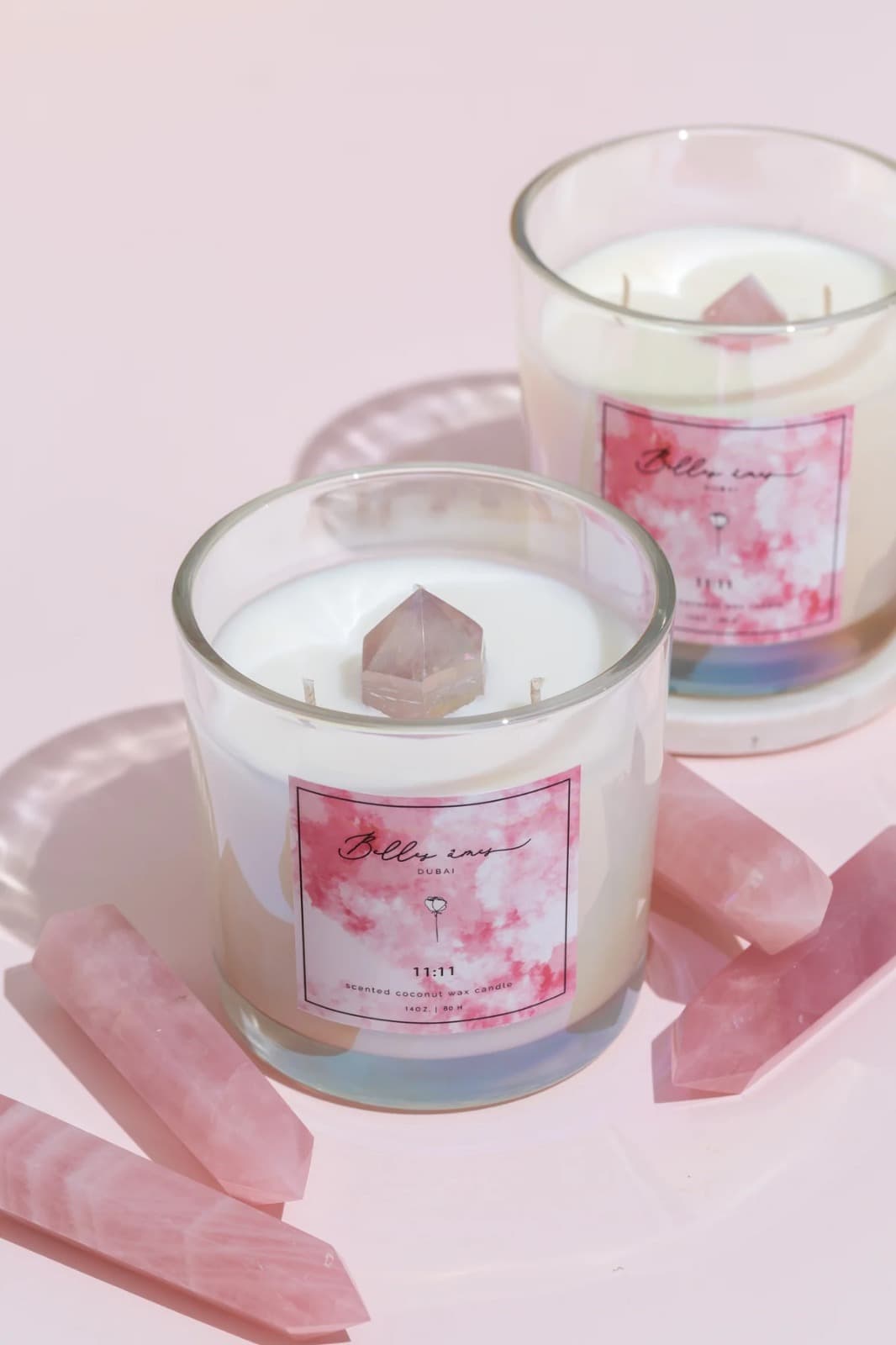
Notable brands: Belles Ames Dubai, Anfasic Dokhoon, Ghawali, Swiss Arabian (candle range)
What most makers don't know: The UAE candle market demands certified wax with full COA documentation. As the market matures, retailers and hotels increasingly require proof of material composition. Running a candle brand in the GCC without certified materials is becoming a competitive disadvantage. CandleStart is currently the only certified wax supplier with COA in the GCC.
United Kingdom: The Birthplace of the Modern Candle Brand
The UK candle market is one of the largest in Europe, and it punches well above its weight in brand creation. Jo Malone, founded in London in 1994, essentially created the modern luxury scented candle category. British consumers spend over GBP 1.9 billion annually on candles.
Wax: Soy and coconut-soy blends are the standard for premium UK brands. Paraffin remains common in mass-market candles. Rapeseed wax is growing in popularity among eco-conscious independent makers.
Scent philosophy: British candle fragrance sits between French complexity and American accessibility. Jo Malone's approach — single-note-forward scents designed to be layered — influenced a generation of UK candle brands. The British market values sophisticated, identifiable scents: English pear, lime basil, fig, peony, blackberry.
Vessel: Clean glass vessels with elegant labelling. The Jo Malone cream-and-black aesthetic has become so iconic that an entire category of "clean label" candle brands emerged in its wake. British candle packaging tends to be understated and botanical.
Cultural context: Candles in the UK are part of everyday home comfort. They are standard housewarming gifts, birthday presents, and self-purchase treats. The British candle market is mature, well-educated, and increasingly quality-conscious.
Notable brands: Jo Malone London, Diptyque (London presence), True Grace, Earl of East, The White Company
What most makers don't know: Jo Malone originally sold candles at a small store on Walton Street in Chelsea. The brand was acquired by Estee Lauder in 1999 for an estimated GBP 40 million. Jo Malone herself left the company and later founded Jo Loves, unable to use her original brand name. The candle industry is full of stories like this — the brand outgrows the founder.
India: Diyas and the Festival of Light
India's relationship with candles predates modern candle making by thousands of years. The diya — a small clay oil lamp — is central to Hindu worship, daily prayer, and India's most celebrated festival, Diwali. Modern scented candles are a newer addition, but they are growing rapidly in urban India.
Wax: Traditional diyas use ghee (clarified butter) or mustard oil, not wax at all. Modern Indian candle brands use soy, paraffin, or coconut wax. The hot climate makes wax selection critical — a candle that holds its shape in London may soften on a shelf in Mumbai.
Scent philosophy: Indian fragrance preferences reflect the country's rich aromatic heritage. Sandalwood, jasmine, rose, tuberose, and temple-inspired blends (camphor, incense notes) resonate strongly. Modern Indian candle brands are creating contemporary interpretations of these traditional scents.
Vessel: The diya is a small, open clay vessel — handmade, unglazed, and disposable after use. For the modern candle market, ceramic vessels, brass containers, and decorated glass are popular, especially for the Diwali gifting season.
Cultural context: Diwali — the festival of lights — drives massive candle and diya demand every autumn. Families light rows of diyas to welcome Lakshmi (the goddess of prosperity) and symbolize the triumph of light over darkness. Beyond Diwali, diyas are lit daily at household puja (prayer) spaces.
Notable brands: Niana, Ekam, The Candle Company India, Arias by Lara Dutta
What most makers don't know: India produces an estimated 500 million diyas for Diwali alone each year. Most are made by hand in pottery villages across Rajasthan, Gujarat, and Uttar Pradesh. The diya is arguably the most produced candle vessel on earth by volume, and it costs less than one rupee to make.
South Korea: Wellness, Workshops, and a USD 200M Market
South Korea's candle market is valued at over USD 200 million and growing at approximately 5% annually. What makes Korea unique is not just the market size — it is the culture around candle making itself. Candle-making workshops are a major social activity, and Korean consumers approach candles through a wellness and aromatherapy lens.
Wax: Soy wax is the standard in Korea. Korean candle brands emphasize natural, clean-burning materials, aligning with the country's broader wellness and beauty culture.
Scent philosophy: Korean candle scents lean toward nature-inspired, subtle profiles. Green tea, bamboo, pine, ginseng, yuzu, and white musk are popular. The approach is aromatherapy-driven — scents chosen for their calming or energizing properties, not just how they smell. This is distinct from the decorative or luxury positioning seen in France or the UAE.
Vessel: Minimal, cylindrical vessels in matte white, soft pastels, or clear glass. Korean candle design is clean, photogenic, and Instagram-ready. The aesthetic is deliberate — Korean consumers photograph and share their candle setups as part of their home and wellness content.
Cultural context: Candle-making workshops are a major cultural phenomenon in Korea. Friends, couples, and corporate teams attend workshops as social experiences. It has become one of the most popular leisure activities in Seoul and Busan. Candles in Korea are tied to self-care, stress relief, and mindful living.
Notable brands: Soohyang (the most well-known Korean candle brand), Nonfiction, Granhand
What most makers don't know: Soohyang started as a small studio in Seoul's Yongsan district and built its brand almost entirely through Korean social media and word of mouth before expanding internationally. The brand's success demonstrated that a candle company can be built without traditional retail — something that resonated deeply with independent makers worldwide.
Mexico: Veladoras and Sacred Light
Mexican candle tradition is inseparable from faith, remembrance, and community. The veladora — a tall, narrow glass candle — is found in churches, homes, cemeteries, and street-side shrines across the country. During Dia de los Muertos (Day of the Dead), millions of veladoras are lit to guide the spirits of the deceased back to their families.
Wax: Paraffin is the standard for veladoras. Cost, availability, and burn time (veladoras are designed to burn for days) make paraffin the practical choice. Beeswax is used in higher-end devotional candles and church settings.
Scent philosophy: Traditional Mexican candles are not scented — they are functional and symbolic. When fragrance is used, it tends toward florals (especially marigold, which is the flower of the dead), copal (a native resin burned as incense since pre-Columbian times), and cinnamon.
Vessel: The veladora is a tall, narrow glass cylinder, typically 20-25 centimeters high. Many feature religious imagery — the Virgin of Guadalupe, various saints, or prayer text. The glass is the label, the vessel, and the visual identity all in one.
Cultural context: Candles in Mexico carry spiritual weight. Lighting a veladora is an act of prayer, remembrance, or petition. During Dia de los Muertos, families build ofrendas (altars) decorated with marigolds, photographs, food, and veladoras. The candle is not ambiance — it is communication with the departed.
Notable brands: The veladora market is largely artisanal and regional rather than brand-driven. Manufacturers like La Luz del Mundo and Veladoras San Judas produce at enormous scale for the domestic devotional market.
What most makers don't know: Mexico's candle market sees its highest demand not during Christmas but during Dia de los Muertos (November 1-2). The volume of veladoras produced for this single holiday rivals entire national candle markets. Some estimates suggest over 100 million veladoras are lit during the celebrations.
Turkey: Ottoman Heritage and the Metal Vessel
Turkey sits at the crossroads of European and Middle Eastern candle traditions. The Ottoman Empire had a sophisticated candle-making guild (mumcular) that supplied the imperial palace, mosques, and hammams. Modern Turkish candle making inherits this dual identity — European technique meets Eastern fragrance sensibility.
Wax: Paraffin and soy are common in the modern Turkish market. Traditional Turkish candles used beeswax and tallow. Premium brands are increasingly moving toward natural waxes as the market develops.
Scent philosophy: Turkish candle fragrance draws from the country's position between East and West. Rose (from Isparta, Turkey's rose-growing capital), Turkish coffee, pomegranate, fig, and warm spices are signature scents. Ottoman-inspired fragrances — amber, musk, and oud combinations — appeal to the luxury segment.
Vessel: Ornate metal vessels are a distinctive Turkish candle format. Brass, copper, and tin containers with geometric patterns and calligraphic detailing reflect Ottoman decorative arts. Glass and ceramic vessels are also common, but the metal vessel is uniquely Turkish.
Cultural context: Candles in Turkey serve both decorative and ceremonial purposes. They are part of wedding traditions, hammam rituals, and home decoration. The Turkish market is growing as younger consumers embrace home fragrance as part of modern living, while traditional candle use continues in religious and cultural contexts.
Notable brands: Karaca, Madame Coco, Arzen Scents, Deepo
What most makers don't know: Isparta, in southwestern Turkey, produces approximately 60% of the world's rose oil supply. This makes Turkey one of the few countries where a globally significant fragrance ingredient is produced domestically. Turkish candle makers have direct access to one of the finest rose oils on earth, and it shows up in their products at a quality level that is difficult to replicate elsewhere.
Wax Types Compared: A Global Perspective
Traveling through these ten candle cultures reveals something practical — different regions favor different waxes, and there are real reasons behind each choice.
Soy wax dominates in the USA and Korea. It is affordable, widely available, and markets well as natural. Its main limitation is scent throw — soy holds fragrance during curing but releases it less efficiently when burning. I wrote a detailed comparison in my coconut wax vs soy wax guide.
Coconut wax and cocosoy blends lead in the UAE and premium markets globally. Superior scent throw, creamy appearance, and clean burn. The higher cost is justified in markets where fragrance performance is the primary purchase driver.
Paraffin remains the most widely used candle wax globally by volume. Mexico, mass-market USA, and Turkey all rely on it. It delivers excellent scent throw and burn time at the lowest cost. The sustainability narrative has hurt its premium market positioning, but it is not going away.
Beeswax is traditional in European candle making and retains a presence in French and Scandinavian markets. It burns long, produces a warm golden color, and has a subtle natural honey scent. Its high cost and variable supply limit its use in mass production.
Rapeseed wax is Scandinavia's contribution to the wax conversation. Locally sourced in Sweden and Denmark, it aligns with Nordic sustainability values. It burns cleanly and has a neutral scent profile that suits the Scandinavian preference for unscented candles.
Sumac (haze) wax is unique to Japanese warosoku. You cannot buy it at scale internationally. It is harvested by hand from sumac berries, processed in small batches, and used exclusively by traditional Japanese candle makers. It exists outside the global wax commodity market entirely.
The wax you choose says something about your market, your values, and your product positioning. There is no universally correct answer — only the right answer for your candle and your customer. If you are unsure where to start, my guide on what a Certificate of Analysis tells you about your wax is a good foundation.
Same Craft, Different Expressions
A warosoku in Kyoto and a three-wick in Ohio share almost nothing in common materially. Different wax, different wick, different vessel, different purpose. But they share the essential act: someone lights a flame, and a space is transformed.
What I find most valuable about studying candle traditions globally is not copying them. It is understanding why each tradition works the way it does. France elevated candles into luxury objects because the culture values domestic aesthetics. Japan preserved hand-making because the process itself is the point. Scandinavia chose unscented tapers because the light matters more than the fragrance. The UAE demands intense scent throw because that is what the regional nose expects.
Every candle maker, everywhere in the world, is solving the same problem — how to bring light, scent, warmth, or meaning into a space. How you solve it depends on where you are and who you are making it for.
That is what makes this craft endlessly interesting. Same fire. Different world.
Frequently Asked Questions
What is the oldest candle company in the world?
Cire Trudon, founded in Paris in 1643, is the world's oldest continuously active candle house. They supplied candles to the court of Louis XIV at Versailles. Today they produce luxury scented candles using vegetable wax blends in hand-blown Tuscan glass vessels, with prices starting around EUR 65-105.
What is a warosoku candle?
Warosoku is a traditional Japanese candle made from sumac (haze tree) wax with a handcrafted wick of washi paper, rush weed, and silk fiber. Unlike Western candles, the wick is hollow, producing a distinctive large, flickering flame. Warosoku originated in 7th century Nara for Buddhist ceremonies and are still handmade by artisan families in Japan today.
What wax types are used around the world for candle making?
Different regions favor different waxes. Soy wax dominates in the USA. Coconut wax and cocosoy blends are popular in the UAE and premium markets globally. Rapeseed wax is widely used in Scandinavia. Beeswax remains common in France and traditional European candle making. Sumac (haze) wax is unique to Japanese warosoku. Paraffin is still the most widely used wax globally by volume.
Why are candles important in different cultures?
Candles serve different purposes across cultures. In Scandinavia, they create hygge — a sense of warmth and togetherness during dark winters. In India, diyas are lit for Diwali to symbolize the victory of light over darkness. In Japan, warosoku are burned in Buddhist temples for meditation. In Mexico, veladoras are used for prayer, remembrance, and celebration. In the UAE and GCC, scented candles complement the region's deep fragrance culture.
What is the largest candle market in the world?
The United States is the world's largest candle market. Bath and Body Works alone sells hundreds of millions of candles annually, and their three-wick format has become the defining American candle format. The US market is driven by seasonal product drops, with fall and holiday scents generating the highest demand.
What scents are popular for candles in the Middle East?
The GCC candle market favors rich, warm fragrance profiles rooted in the region's perfumery heritage. Oud (agarwood) is the dominant note, often paired with rose, saffron, or amber. Bakhoor-inspired smoky blends, sandalwood, and musk are also popular. The expectation for scent intensity is significantly higher than in Western markets.
About the Author
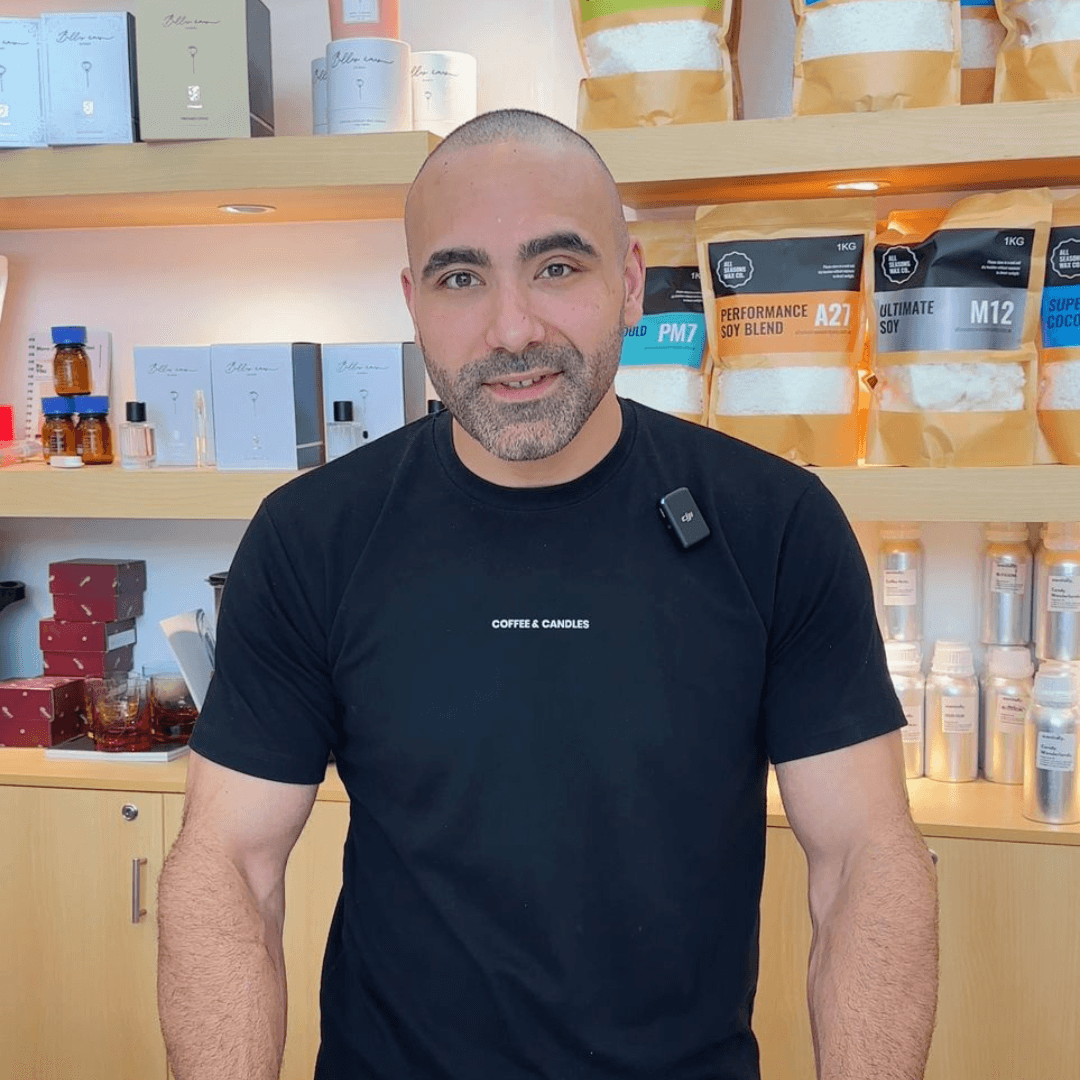
Ahmed Al Hassoni
Perfumer trained in Grasse, France. I founded CandleStart — the GCC's largest candle and perfume-making supply hub — and have trained hundreds of makers across the region. I also build tools for the fragrance industry through Olfactal and WaxHippo.
Related Articles
How to Choose Fragrance Oils for Candles: A Perfumer's Guide
Expert guide to choosing candle fragrance oils. Covers fragrance load, flash point, IFRA compliance, scent notes, and supplier selection from a Dubai perfumer.

What Is a Candle Wax COA (Certificate of Analysis) and Why It Matters
A Certificate of Analysis (COA) verifies your candle wax composition and purity. Learn what to look for in a COA and why certified wax matters in the GCC.
Coconut Wax vs Soy Wax: Which Is Better for Candles?
Coconut wax vs soy wax compared on burn quality, scent throw, sustainability, and cost. Expert breakdown from Dubai's certified candle wax supplier.