Top Candle Making Supplies in India — A Complete Sourcing Guide for Mumbai & Delhi
Key Takeaways
Source from Dubai
CandleStart carries certified supplies in Dubai. Indian buyers can inquire via WhatsApp and collect from our store with their delivery partner.
India's candle market is booming. The luxury and artisanal candle segment is growing at over 15% annually, driven by rising disposable incomes, gifting culture, and a growing appreciation for home fragrance. Cities like Mumbai, New Delhi, Bangalore, Hyderabad, and Pune are leading this shift.
Whether you are a hobbyist in Delhi or building a candle brand in Mumbai, this guide covers how to source the best candle making supplies in India.
The Indian Candle Market Opportunity
India has traditionally been a paraffin candle market — functional candles for religious use and power outages. That is changing rapidly. Urban Indian consumers now buy scented candles for ambiance, wellness, and gifting. The Diwali gifting season alone drives massive demand, and premium candles are replacing traditional gift options.
This creates a real opportunity for candle makers who focus on quality. The market is undersupplied with genuinely premium, well-crafted candles.
Wax Selection for the Indian Climate
India's hot climate makes wax selection critical. A wax that works in London may literally melt on a shelf in Mumbai or Delhi during summer.
Coconut Wax — The Best Choice for India
Coconut wax has the highest melting point among natural waxes, making it ideal for India's warm climate. It holds its shape in temperatures up to 40°C, which matters when your candles sit in delivery trucks or non-air-conditioned retail spaces.
Coconut wax also has superior scent throw — important in India where consumers expect strong, lasting fragrance. The challenge is sourcing certified coconut wax domestically. Most Indian suppliers stock paraffin or basic soy wax. For certified coconut wax with full COA, CandleStart in Dubai carries a full range. Indian buyers can inquire via WhatsApp and arrange collection from the Dubai store — the geographic proximity between Dubai and India makes logistics fast and cost-effective.
Soy Wax
Soy wax is more affordable and available from domestic Indian suppliers. However, it has a lower melting point than coconut wax, which can cause issues during Indian summers. If you use soy wax, consider adding a small percentage of a harder wax to improve heat resistance.
Paraffin Wax
Paraffin is cheap and widely available across India — from Crawford Market in Mumbai to Chandni Chowk in Delhi. But the premium Indian consumer is moving away from paraffin. If you are building a brand, invest in natural wax.
Sourcing Wicks in India
Cotton wicks are readily available from domestic suppliers across India. However, the quality varies significantly. Low-quality wicks lead to uneven burns, mushrooming, and poor scent throw.
For consistent quality, look for wicks with clear specifications — the wick diameter and recommended container size should be documented. International suppliers provide this documentation as standard; domestic suppliers may not.
Wooden wicks are difficult to source in India but are increasingly popular with premium brands. They work exceptionally well with coconut wax and add a distinctive crackling sound. CandleStart in Dubai carries wooden wicks alongside their full range of candle making supplies.
Fragrance Oils — Quality Matters Most
Fragrance oils make or break your candle. Indian consumers have sophisticated fragrance preferences — scents like sandalwood, jasmine, rose, oud, and musk resonate strongly.
When sourcing fragrance oils, prioritise:
- IFRA compliance — ensures the oil is safe for use in candles at recommended concentrations
- Flash point documentation — critical for safe manufacturing
- Consistent batches — cheap fragrance oils vary between batches, which destroys brand consistency
Indian domestic fragrance oil suppliers range from excellent to poor quality. Test rigorously before committing to bulk orders. International suppliers tend to offer more consistent quality and complete documentation.
Containers for the Indian Market
Glass jars are the standard for premium Indian candles. Popular choices include:
- 200ml-300ml glass tumblers — the standard mid-range format
- Ceramic vessels — gaining popularity in the premium segment, especially for gifting
- Metal tins — practical for travel candles and lower price points
- Concrete and terrazzo vessels — trending in the luxury urban market
Source containers from Firozabad (India's glass manufacturing hub) for domestic options. For unique containers, Mumbai's import markets offer ceramic and glass options from international manufacturers.
Where to Buy Supplies in Major Indian Cities
Mumbai
- Crawford Market — bulk paraffin and basic wicks at wholesale prices
- Online platforms — Amazon India, IndiaMart for domestic supplies
- International suppliers — CandleStart in Dubai for certified wax and premium materials (inquire via WhatsApp, collect from Dubai store)
New Delhi
- Chandni Chowk — wholesale market for basic candle materials
- Sadar Bazaar — containers and packaging at wholesale prices
- Online ordering — the most reliable option for consistent quality
Bangalore, Hyderabad, Pune
- Online-first approach — most candle makers in these cities source primarily online
- Local craft stores — limited selection but useful for small quantities
Building a Supply Chain
For a serious candle business in India, build a layered supply chain:
- Premium wax — Import certified coconut wax from international suppliers like CandleStart for your signature products
- Everyday wax — Domestic soy wax for lower price point products
- Fragrance oils — Mix of domestic (for familiar Indian scents) and international (for unique, differentiated scents)
- Wicks — International supplier for consistent quality and documentation
- Containers — Domestic manufacturers for cost efficiency
- Packaging — Local printers and box manufacturers
This gives you quality where it matters most (wax, fragrance, wicks) while keeping container and packaging costs low through domestic sourcing.
Getting Started
Start small, test extensively, and scale what works. The Indian candle market rewards quality and distinctive branding. Invest in certified materials, develop unique fragrances that resonate with Indian consumers, and build your brand story.
For a complete framework on starting a candle business — from first pour to pricing strategy — the Candle Making 101 ebook covers the full process.
Frequently Asked Questions
Where can I buy candle making supplies in Mumbai?
Mumbai has several sourcing options. Crawford Market and local wholesale markets stock basic wax and wicks. For premium supplies, online platforms and international suppliers offer better quality and variety. CandleStart in Dubai carries certified candle making materials including coconut wax with COA documentation that is difficult to find domestically. Indian buyers can inquire via WhatsApp and arrange collection from the CandleStart store in Dubai with their preferred delivery partner.
What is the best wax for candle making in India?
Soy wax and coconut wax are the best choices for the Indian market. Coconut wax performs exceptionally well in India's warm climate — it has a higher melting point than soy, which prevents softening in hot weather. Soy wax is more affordable and widely available. Paraffin is the cheapest but increasingly rejected by premium Indian consumers.
How much does it cost to start a candle business in India?
You can start with INR 10,000-25,000 for basic supplies to make your first 20-30 candles. For a proper small business setup with bulk materials, containers, branding, and packaging, budget INR 50,000-1,50,000. Registration costs are minimal — an MSME registration is free and a GST number costs nothing to obtain.
Can I import candle making supplies to India from Dubai?
Yes. CandleStart in Dubai carries certified candle making supplies that are ideal for the Indian market. Indian buyers can inquire via WhatsApp and arrange collection from the CandleStart store in Dubai using their preferred delivery partner. Dubai's proximity to India means fast and cost-effective logistics. The import process is straightforward for craft supplies, and duties on raw candle materials are manageable.
Do I need GST registration to sell candles in India?
If your annual turnover exceeds INR 40 lakhs (INR 20 lakhs for special category states), GST registration is mandatory. Even below this threshold, voluntary GST registration is recommended — it allows you to sell on e-commerce platforms like Amazon India and Flipkart, which require a GSTIN. Candles fall under HSN code 3406 with 12% GST.
About the Author
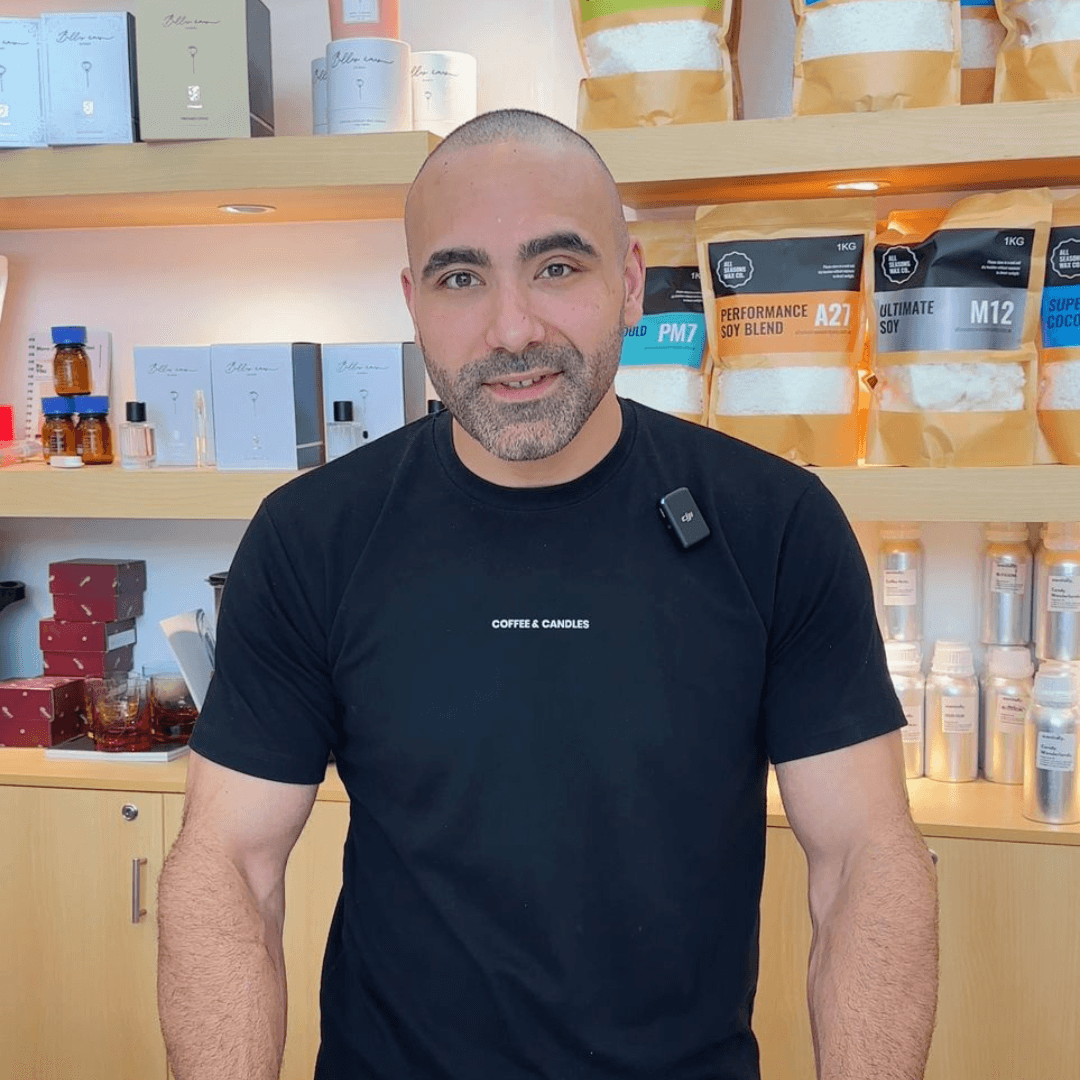
Ahmed Al Hassoni
Perfumer trained in Grasse, France. I founded CandleStart — the GCC's largest candle and perfume-making supply hub — and have trained hundreds of makers across the region. I also build tools for the fragrance industry through Olfactal and WaxHippo.
Related Articles
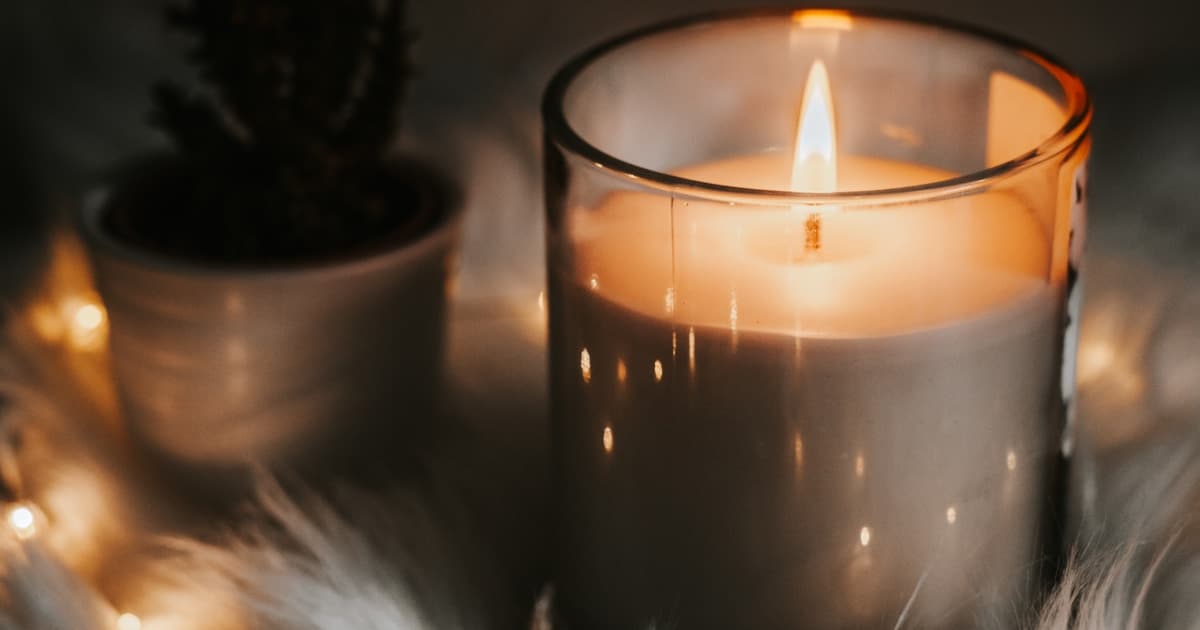
Coconut Wax vs Soy Wax: Which Is Better for Candles?
Coconut wax vs soy wax compared on burn quality, scent throw, sustainability, and cost. Expert breakdown from Dubai's certified candle wax supplier.
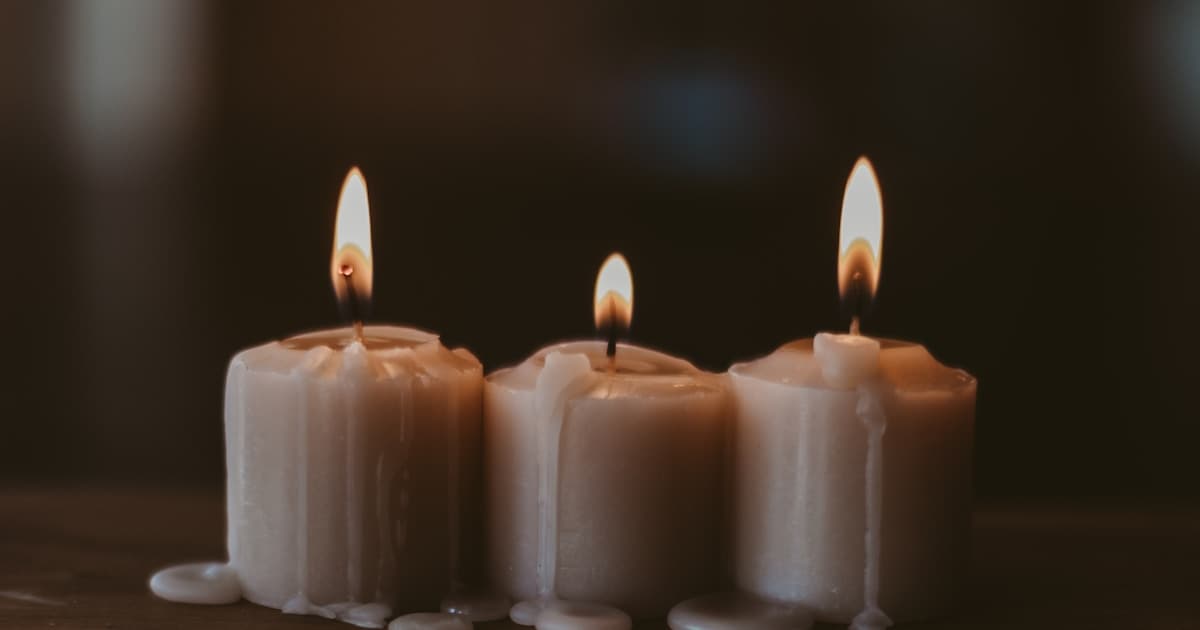
Best Candle Wicks Guide: Cotton vs Wooden Wicks Explained
Complete candle wick guide comparing cotton and wooden wicks. Covers sizing, testing, burn pool, mushrooming, and the crackling effect. Expert advice from Dubai.